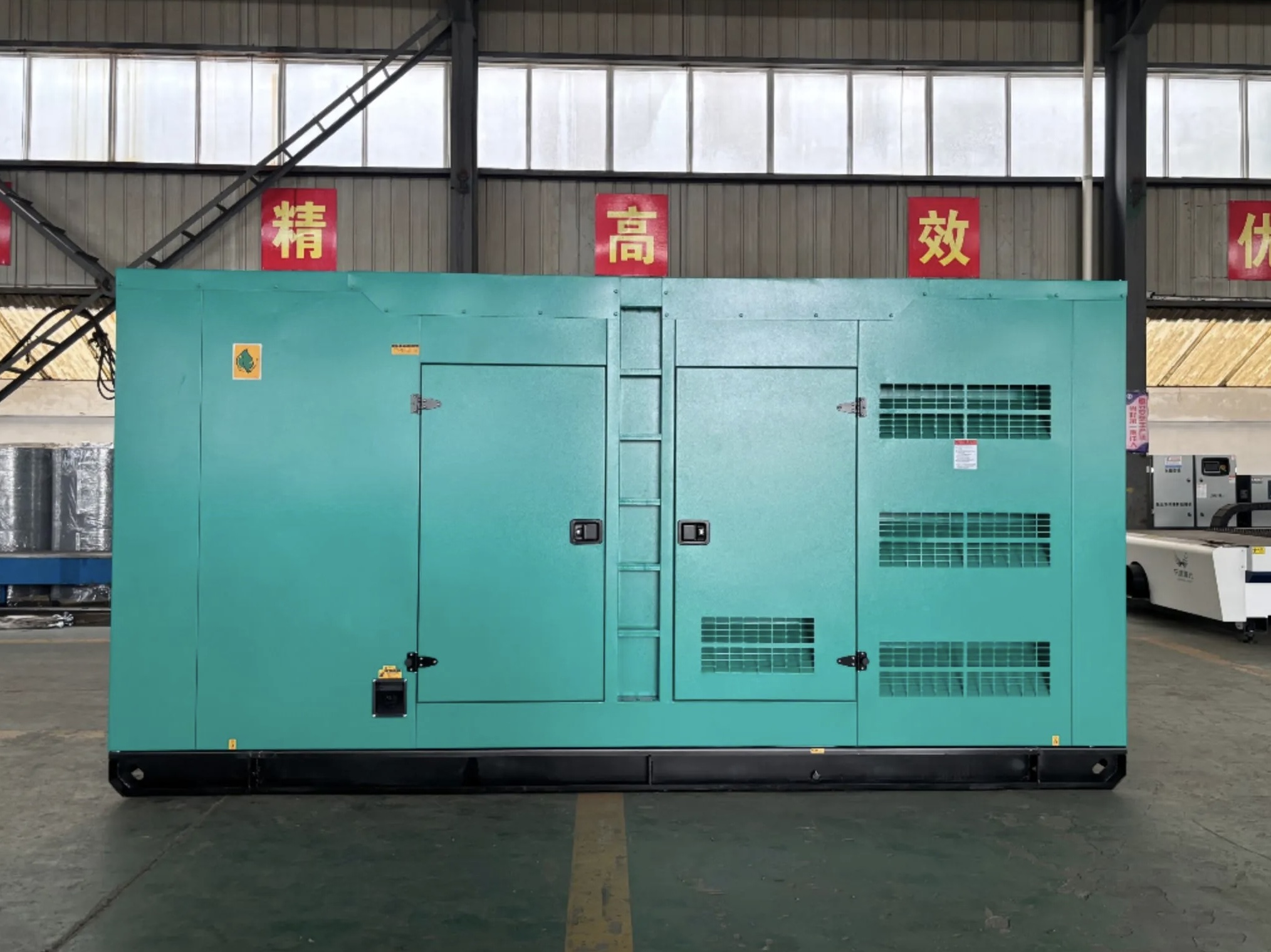
1. Fuel Efficiency Comparison
Diesel engines are significantly more fuel-efficient than gasoline engines. A diesel generator typically consumes 30-50% less fuel than a gasoline generator of the same power output. Diesel fuel has higher energy density (35.8 MJ/L vs 29.4 MJ/L for gasoline), and diesel engines operate at higher compression ratios.
Example: A 5kW diesel generator running at 50% load consumes approximately 1.5L per hour, while a comparable gasoline generator consumes about 2.5L per hour.
2. Cost Comparison – Upfront vs Operating
| Cost Factor | Diesel Generator | Gasoline Generator |
|---|---|---|
| Upfront Cost | Higher (20-40% more) | Lower |
| Fuel Cost per Hour (5kW @ 50% load) | ~1.5L | ~2.5L |
| Maintenance Cost | Lower (less frequent service) | Higher (more frequent service) |
| Total Cost of Ownership (5 years) | Lower | Higher |
3. Lifespan and Durability
Diesel generators are built to last. A well-maintained diesel generator can operate for 10,000-30,000 hours (10-15 years), while a gasoline generator typically lasts 2,000-5,000 hours (3-5 years). Diesel engines have sturdier construction, heavier components, and operate at lower RPMs (1800-2200 rpm vs 3600 rpm for gasoline), reducing wear and tear.
4. Maintenance Requirements
- Diesel Generators: Oil changes every 250-500 hours. No spark plugs or carburetors. Fuel filters need regular replacement.
- Gasoline Generators: Oil changes every 50-100 hours. Spark plugs need regular replacement. Carburetors can clog if fuel sits too long.
5. Noise and Environmental Impact
- Diesel: Generally louder (77-85dB open frame, 65-72dB silent). GTFI silent diesel generators reduce noise to as low as 65dB.
- Gasoline: Quieter (68-74dB open frame, 65dB silent). Produces less NOx but more CO and HC.
6. Which One Should You Choose?
Choose Diesel If:
- You need long run times and high fuel efficiency
- You're powering heavy equipment or industrial applications
- You need a generator that will last 10+ years
Choose Gasoline If:
- You have a limited budget for upfront purchase
- You only need occasional backup power
- You need a lightweight, portable generator
Fuel Decision
Compare fuel availability, expected runtime, storage, ambient conditions, portability, service requirements, and the required duty cycle. The better fuel choice depends on the application and operating pattern.
What to Confirm Before Ordering
- List continuous loads and identify motors, pumps, compressors, welders, or other equipment with high starting current.
- Confirm rated and standby/maximum output figures and keep an appropriate operating margin instead of running continuously at the limit.
- Specify voltage, frequency, single-phase or three-phase output, and any required automatic transfer or remote-start functions.
- Consider fuel availability, expected daily runtime, tank size, refueling access, ambient temperature, altitude, and ventilation.
- For mobile or residential use, check enclosure, noise, wheel/transport requirements, weather protection, and safe exhaust routing.
For a quotation request: For an industrial quotation, provide the load list, target voltage/frequency, expected runtime, application, destination country, and required quantity. Those details make it easier to compare generator configurations on a like-for-like basis.
Need help matching equipment to a specific application? Provide the operating conditions, required quantity, destination, and key technical requirements when requesting a quotation.
❓ Frequently Asked Questions
A: Diesel is cheaper to run long-term due to better fuel efficiency and lower maintenance costs.
A: No. Diesel and gasoline engines are fundamentally different. Using the wrong fuel will damage the engine.
A: For occasional backup, a gasoline generator may be sufficient. For frequent or extended outages, a diesel generator offers better reliability and lower long-term costs.
💬 Not sure which generator type is right for you?
Ask Our Experts →