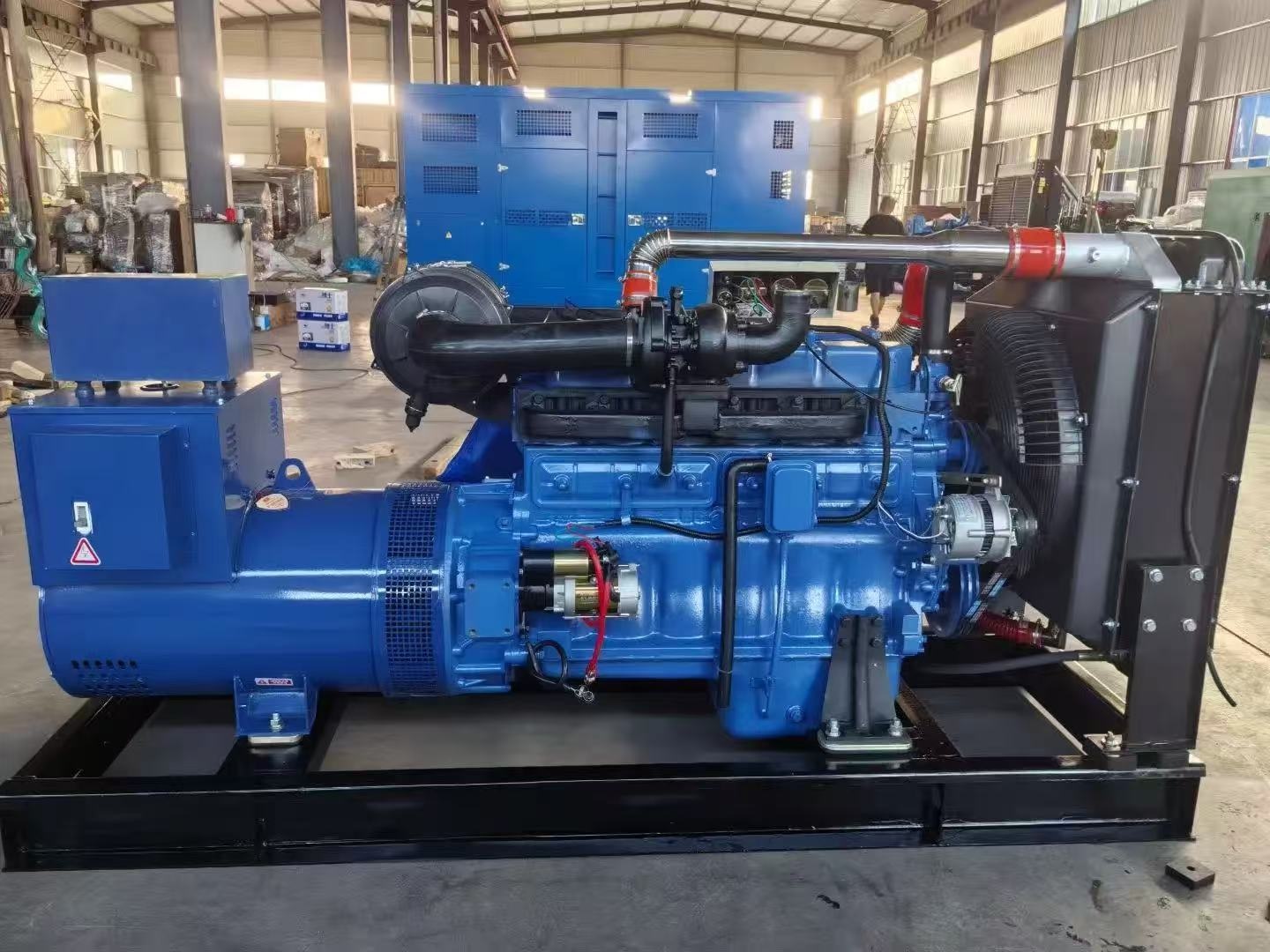
A diesel generator converts mechanical energy from a diesel engine into electrical energy, widely used in industry, agriculture, construction, and home backup power.
1. What Is a Diesel Generator?
A diesel generator combines a diesel engine with an alternator to produce electricity. It is the most popular choice for reliable backup and prime power due to its durability and fuel efficiency.
2. How to Calculate the Power You Need
Power calculation is the core step in selecting a generator. Here is a simplified method:
- Step 1: List all appliances and equipment you need to power, with their wattage.
- Step 2: Calculate total running watts (sum of all equipment).
- Step 3: Add the largest starting (surge) wattage — motor-driven equipment needs 2-3x running watts to start.
- Step 4: Add a 20-25% safety margin for future expansion and peak loads.
3. Diesel vs Gasoline Generators
- Diesel Generators: More fuel-efficient, longer lifespan, lower maintenance costs — ideal for continuous, heavy-duty operation.
- Gasoline Generators: Lower upfront cost, quieter, easier to start — suitable for home backup and small power needs.
4. Open Frame vs Silent Generators
- Open Frame: Affordable, easy maintenance, great airflow — perfect for construction sites and outdoor use.
- Silent (Enclosed): 40-50% quieter, weatherproof — ideal for hospitals, hotels, and residential areas.
5. Application-Specific Recommendations
- Home Backup: 5-15kW silent diesel generator recommended.
- Construction Sites: 15-100kW open-frame diesel generator.
- Factory/Industrial: 50-500kW industrial diesel generator set.
6. Maintenance and Care
- Daily checks: Oil level, coolant, fuel level.
- Regular service: Oil change every 250-500 hours, air filter cleaning/replacement.
- Long-term storage: Drain fuel or add fuel stabilizer to prevent degradation.
Practical Selection Checklist
Before requesting a quotation, define the actual electrical load and the operating environment rather than selecting a generator only by its headline kW rating. The best choice balances starting current, continuous load, fuel type, runtime, noise, mobility, service access, and local power requirements.
What to Confirm Before Ordering
- List continuous loads and identify motors, pumps, compressors, welders, or other equipment with high starting current.
- Confirm rated and standby/maximum output figures and keep an appropriate operating margin instead of running continuously at the limit.
- Specify voltage, frequency, single-phase or three-phase output, and any required automatic transfer or remote-start functions.
- Consider fuel availability, expected daily runtime, tank size, refueling access, ambient temperature, altitude, and ventilation.
- For mobile or residential use, check enclosure, noise, wheel/transport requirements, weather protection, and safe exhaust routing.
For a quotation request: For an industrial quotation, provide the load list, target voltage/frequency, expected runtime, application, destination country, and required quantity. Those details make it easier to compare generator configurations on a like-for-like basis.
Need help matching equipment to a specific application? Provide the operating conditions, required quantity, destination, and key technical requirements when requesting a quotation.
❓ Frequently Asked Questions
A: With proper maintenance, a diesel generator can last 10,000 to 30,000 hours.
A: No. Diesel generators produce carbon monoxide and must always be operated outdoors in well-ventilated areas.
💬 Need help choosing the right generator?
Talk to Our Engineers →