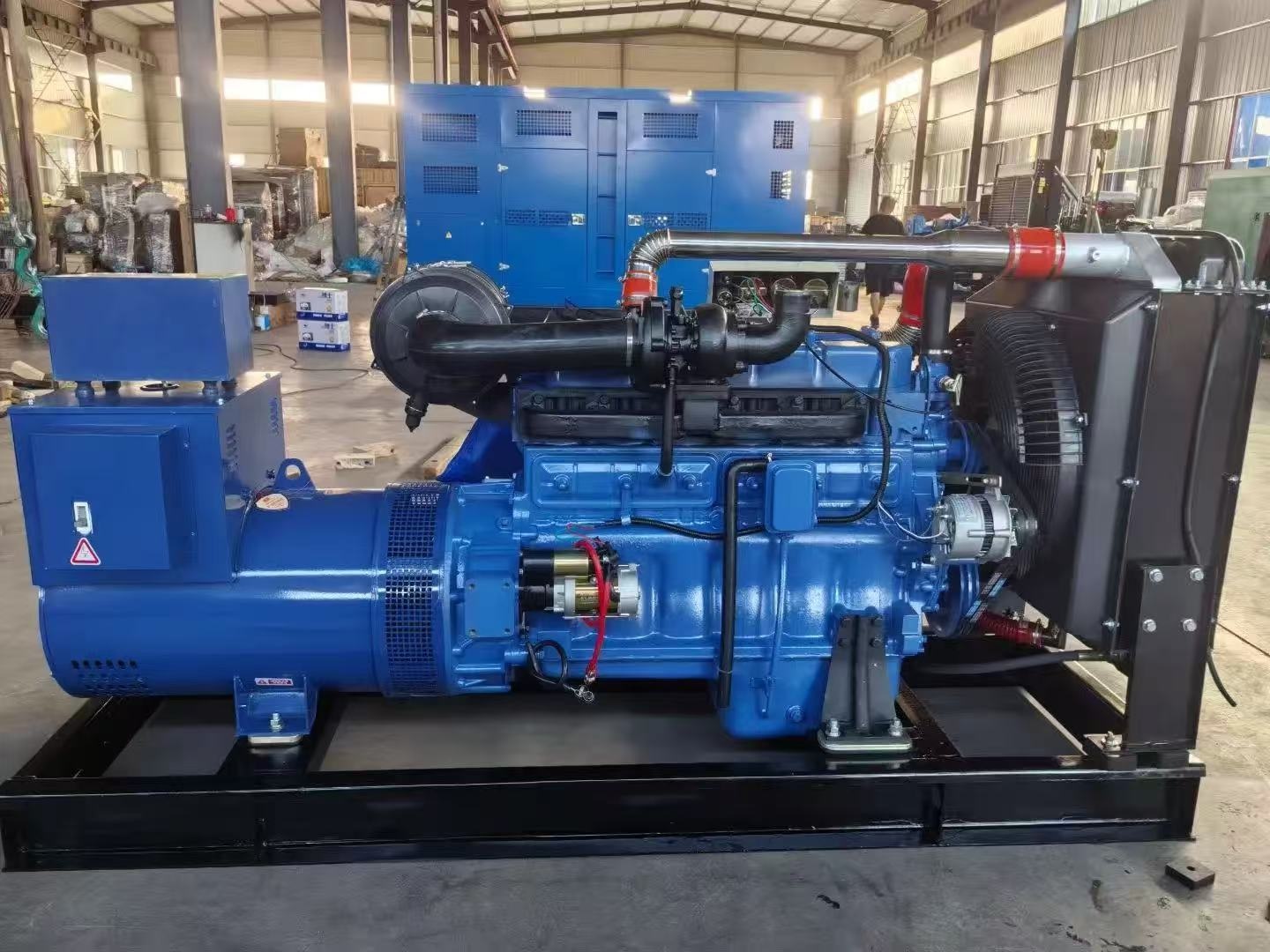
When choosing a generator, one of the most overlooked but critical factors is the cooling system. The way a generator manages heat directly affects its performance, lifespan, and reliability. This guide compares water-cooled and air-cooled generators to help you make an informed decision.
1. Air-Cooled Generators – How They Work
Air-cooled generators use a fan to force air over the engine and alternator fins, dissipating heat into the surrounding environment. This is the most common cooling method for portable generators and smaller units.
GTFI Air-Cooled Models:
- Portable Gasoline Open Frame: SE2500CX (2.0kW), SE6500CX (5.0kW), SE9500CX (8.0kW)
- Portable Diesel Open Frame: S2000D (1.8kW), S6500D (4.6kW), S8500D (6.0kW)
- Portable Gasoline Silent: S5000CXS-1 (5.0kW) – 65dB
- Portable Diesel Silent: S3500DS (2.8kW), S6500DS (4.5kW), S11500DS (10kW)
All single-cylinder portable generators from GTFI are air-cooled, making them lightweight and easy to transport.
2. Water-Cooled Generators – How They Work
Water-cooled generators use a liquid coolant (water mixed with antifreeze) circulated through the engine block to a radiator, where heat is expelled by a fan. This system is more efficient at regulating temperature, especially under heavy loads.
GTFI Water-Cooled Models:
- Industrial Gensets (Open and Silent): 15–2200kW with Weichai, Shangchai, Yuchai, Cummins, and Perkins engines — all water-cooled
- Inverter Diesel Generators (5–15kW): Water-cooled options for improved efficiency and longevity
Water-cooling is standard on industrial gensets above 15kW, as the higher power output generates significantly more heat.
3. Direct Comparison Table
| Feature | Air-Cooled | Water-Cooled |
|---|---|---|
| Cooling Efficiency | Good (up to ~15kW) | Excellent (up to 2200kW+) |
| Engine Temperature Stability | Varies with ambient temp | Stable, independent of ambient |
| Weight | Lighter (e.g., 41.5kg for 2kW) | Heavier (radiator + coolant adds weight) |
| Noise Level | Higher (fan noise + engine) | Lower (more insulation possible) |
| Maintenance | Simpler – no coolant to change | Requires coolant flushes, radiator cleaning |
| Fuel Efficiency | Good for small units | Better at high loads (consistent temp) |
| Lifespan | 5,000–10,000 hours | 15,000–30,000 hours |
| Cost | Lower | Higher (20–50% more) |
| Best For | Portable, backup, small industrial | Continuous/industrial applications |
4. Cooling Efficiency and Temperature Control
Air-cooled generators rely on ambient air temperature. On a hot day (40°C+), cooling efficiency drops, and the engine may overheat or derate (lose power). Air-cooled units are typically limited to about 15–20kW maximum output.
Water-cooled generators maintain a consistent engine temperature (around 80–90°C) regardless of outside conditions. This allows them to deliver full rated power even in extreme heat, and they can scale up to 2200kW or more.
GTFI industrial gensets with water-cooled systems are designed for continuous operation in demanding environments, from Middle Eastern deserts to tropical regions.
5. Noise Levels
Water-cooled generators tend to be quieter for several reasons:
- The engine runs at lower RPMs (1500–1800 rpm for 4-pole vs 3000–3600 rpm for air-cooled)
- The radiator fan can be designed for quieter airflow
- Sound insulation around the engine is more effective with water jackets
GTFI's water-cooled silent gensets (15–500kW) achieve noise levels as low as 68–72dB at 7 meters, comparable to a conversation. In contrast, air-cooled portable units typically operate at 72–85dB.
6. Maintenance Requirements
- Air-Cooled: Keep cooling fins clean, ensure fan is working, and maintain adequate airflow. No coolant to change. Simpler and less expensive to maintain.
- Water-Cooled: Requires periodic coolant changes (every 1,000–2,000 hours), radiator cleaning, thermostat checks, and hose inspections. Maintenance costs are higher, but intervals are longer.
7. Lifespan and Durability
Water-cooled engines last significantly longer because they operate at stable, optimal temperatures. A well-maintained air-cooled generator might run 5,000–10,000 hours, while a water-cooled diesel genset can easily exceed 20,000 hours. This makes water-cooled units more cost-effective for continuous-duty applications.
8. Which One Should You Choose?
Choose Air-Cooled If:
- You need a portable generator under 15kW
- You have a limited budget
- You need easy, low-cost maintenance
- You operate in moderate climates
Choose Water-Cooled If:
- You need 15kW+ of power
- You require 24/7 continuous operation
- You operate in extreme climates (heat or cold)
- You want the longest possible engine life
- You need low noise for residential or urban areas
Cooling Decision
Compare expected ambient temperature, runtime, enclosure, maintenance access, and required power level. Cooling system choice should support the intended duty cycle and site environment rather than being treated as a simple preference.
What to Confirm Before Ordering
- List continuous loads and identify motors, pumps, compressors, welders, or other equipment with high starting current.
- Confirm rated and standby/maximum output figures and keep an appropriate operating margin instead of running continuously at the limit.
- Specify voltage, frequency, single-phase or three-phase output, and any required automatic transfer or remote-start functions.
- Consider fuel availability, expected daily runtime, tank size, refueling access, ambient temperature, altitude, and ventilation.
- For mobile or residential use, check enclosure, noise, wheel/transport requirements, weather protection, and safe exhaust routing.
For a quotation request: For an industrial quotation, provide the load list, target voltage/frequency, expected runtime, application, destination country, and required quantity. Those details make it easier to compare generator configurations on a like-for-like basis.
Need help matching equipment to a specific application? Provide the operating conditions, required quantity, destination, and key technical requirements when requesting a quotation.
❓ Frequently Asked Questions
A: Yes, but ensure adequate ventilation and avoid overloading. Air-cooled units are designed for continuous operation but may need derating in high temperatures.
A: Every 1,000–2,000 operating hours or as recommended by the engine manufacturer. Use the correct coolant mixture (typically 50/50 antifreeze/water).
A: For continuous or heavy-duty use, yes. The longer lifespan and better fuel efficiency often offset the higher upfront cost within 2–3 years of operation.
💬 Not sure which cooling system is right for you?
Talk to Our Engineers →