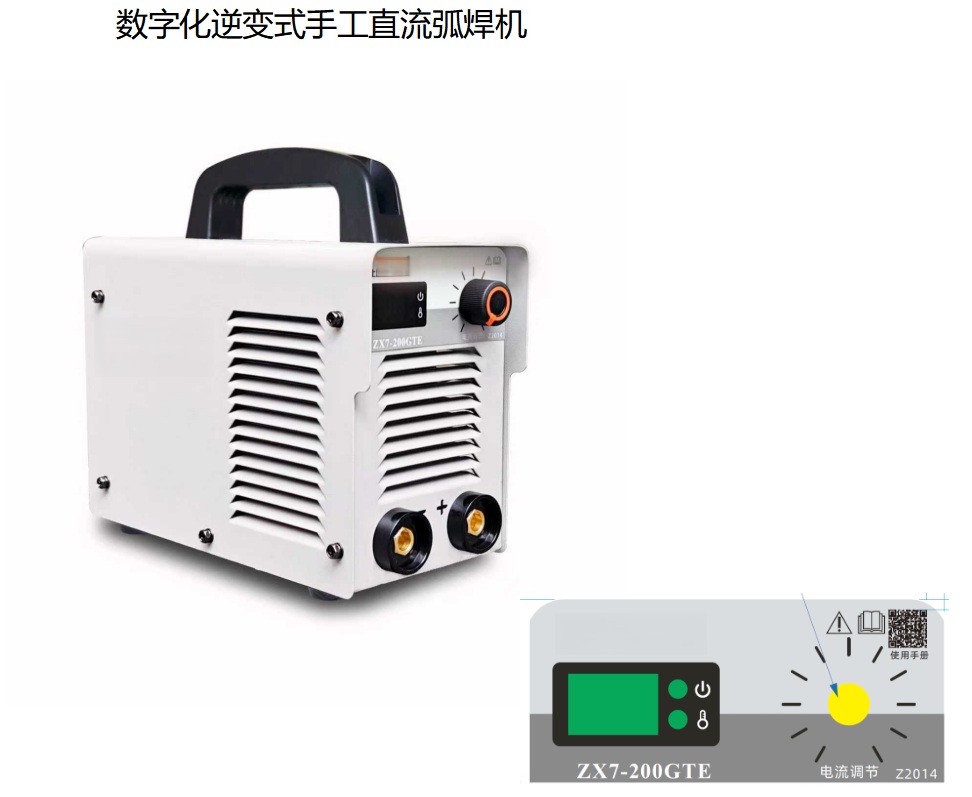
Welding technology has evolved significantly — from traditional transformer welders to advanced inverter-based machines, TIG, MIG/MAG, plasma, and even laser welding. The options can be overwhelming for both beginners and experienced professionals.
GTFI offers a complete range of welding machines including inverter DC (MMA), TIG, MIG/MAG, plasma cutters, laser welders, submerged arc, and carbon arc gouging equipment.
1. Welding Technology Overview
| Technology | Process | Material | Thickness | Applications |
|---|---|---|---|---|
| Inverter DC (MMA) | Manual arc (stick) | Steel, stainless, copper | 1-50mm | General fabrication, repair |
| TIG | Gas tungsten arc | Steel, stainless, aluminium, titanium | 0.5-15mm | Precision, piping, aerospace |
| MIG/MAG | Gas metal arc | Steel, stainless, aluminium | 1-30mm | Production, automotive, shipbuilding |
| Plasma | Plasma cutting | All metals | 0.5-80mm | Cutting, fabrication |
| Laser | Laser welding/cleaning | Steel, stainless, aluminium | 0.5-12mm | Precision, automation, sheet metal |
| Submerged Arc | Submerged arc welding | Steel | 10-100mm | Heavy plate, shipbuilding |
| Carbon Arc | Carbon arc gouging | Steel, stainless | N/A | Weld removal, defect gouging |
2. Detailed Technology Comparison
Inverter DC (MMA / Stick Welding)
- Best for: General fabrication, construction, maintenance, repair
- GTFI models: ZX7 series (200-630A), TZ series
TIG (Tungsten Inert Gas)
- Best for: Precision welding, piping, aerospace, aluminium
- GTFI models: WS series, WSM series (pulsed TIG)
MIG/MAG (Gas Metal Arc Welding)
- Best for: Production welding, automotive, shipbuilding, structural steel
- GTFI models: NB series (250-630A), TR series
Plasma Cutting
- Best for: Cutting all metals (steel, stainless, aluminium, copper)
- GTFI models: LGK series, TL series
Handheld Laser Welding
- Best for: Precision welding, sheet metal, automation, thin materials
- GTFI models: TS series (1500-3000W)
3. Self-Powered Welding Generators
For fieldwork and remote locations, GTFI offers welding generators powered by diesel or gasoline engines:
- Diesel Open: S6500DEW to S10000DEW (50-300A)
- Gasoline Open: S6500CXW to S8500CXW (50-230A)
- Silent Diesel: SS6500DSW to SS8500DSW (quiet operation)
- Inverter Welding Generators: IGBT technology, up to 25% energy savings
Practical Selection Checklist
Welding equipment should be chosen from the material, thickness, joint type, production volume, required finish, and available power supply. A high-current machine is not necessarily the right machine if the process, consumables, or duty cycle do not match the work.
What to Confirm Before Ordering
- Identify the base material, typical thickness range, joint type, and required weld appearance or penetration.
- Choose the process—MMA/inverter, TIG, MIG/MAG, plasma, or laser—according to productivity, precision, portability, and operator skill.
- Check rated current, duty cycle, input voltage, phase, frequency, and generator compatibility for the actual work environment.
- For production applications, consider wire or electrode consumption, cooling, torch length, gas requirements, controls, and serviceability.
- Confirm safety features, consumable availability, replacement parts, certifications, and local electrical requirements before purchase.
For a quotation request: For quotation requests, specify material, thickness, welding process, power supply, duty cycle, application, and quantity. Sample photos or a description of the joint can help suppliers recommend the correct configuration.
Need help matching equipment to a specific application? Provide the operating conditions, required quantity, destination, and key technical requirements when requesting a quotation.
❓ Frequently Asked Questions
A: Inverter DC (MMA) welders are the most forgiving for beginners — simple to set up and work on a variety of materials.
A: TIG uses a non-consumable tungsten electrode for high-quality precision welds. MIG uses a consumable wire electrode and is faster for production work.
A: Duty cycle is the percentage of a 10-minute period a machine can weld at rated output without overheating. Higher duty cycle is better for heavy production.
💬 Not sure which welding machine is right for you?
Talk to Our Experts →