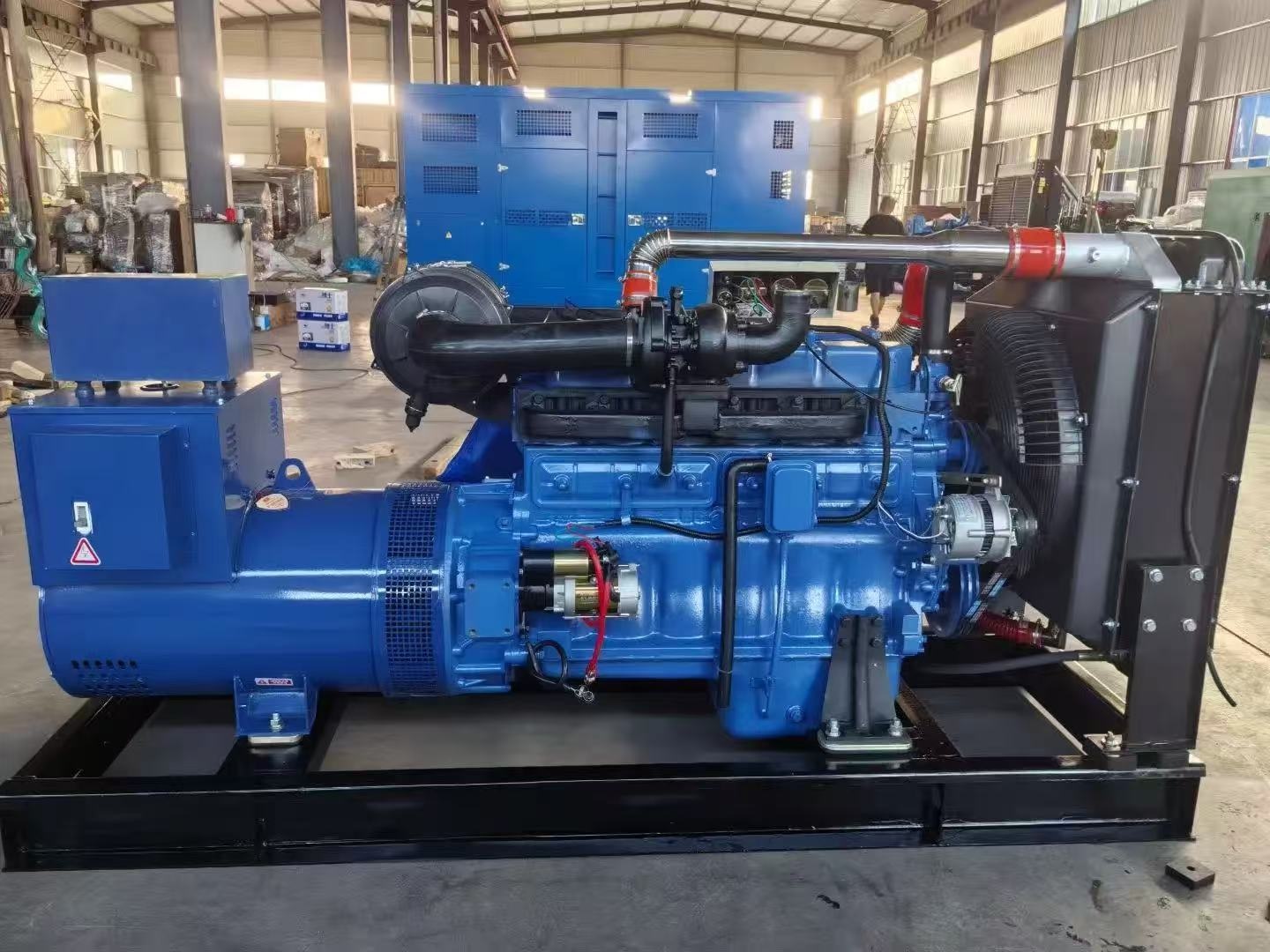
Hospitals and healthcare facilities require the highest level of power reliability. A power outage in a hospital can be life-threatening. Backup generators for medical facilities must meet stringent requirements for reliability, noise, emissions, and automatic operation. This guide helps you select the right generator for a healthcare application.
1. Hospital Power Requirements – Critical vs Non-Critical Loads
Hospital loads are classified into three categories:
- Life safety loads: Emergency lighting, fire alarm systems, smoke evacuation, medical gas systems – must restore power within 10 seconds
- Critical loads: Operating rooms, ICUs, ventilators, patient monitoring systems, blood banks, medical imaging (MRI, CT) – must restore power within 10 seconds
- Non-critical loads: General lighting, HVAC (non-patient areas), office equipment – can be restored later
The generator must be sized to handle all life safety and critical loads simultaneously, with additional capacity for future expansion.
2. Key Generator Specifications for Hospitals
2.1 Power Capacity
Typical hospital generator sizes by facility type:
- Small clinic (10–30 beds): 50–150kW
- Medium hospital (50–150 beds): 200–600kW
- Large hospital (150–500 beds): 600–2,000kW
- Major medical center (500+ beds): 2,000kW+ (multiple generators in parallel)
2.2 Automatic Transfer Switch (ATS)
- Start time: GTFI gensets start within 5–10 seconds of power loss
- Open vs closed transition: Open transition (break-before-make) is standard; closed transition (make-before-break) is available for sensitive equipment
- Bypass isolation: Allows maintenance on the ATS without interrupting power
2.3 Noise Level
Hospitals are noise-sensitive environments. GTFI silent gensets for hospital use:
- Industrial Silent Gensets (15–500kW): 68–72dB at 7 meters
- Soundproof enclosures with acoustic insulation and critical silencers
- Additional sound attenuation (sound walls, enclosures) may be required for rooftop installation
2.4 Emissions Compliance
- GTFI generators with Cummins, Perkins, Weichai, and Yuchai engines comply with EPA Tier 4, Euro V, and China IV emissions standards
- Selective Catalytic Reduction (SCR) systems are available for the strictest emissions requirements
3. Redundancy and Reliability
- N+1 redundancy: For critical hospitals, install one additional generator (N+1) to ensure continuous power even during maintenance or failure
- Parallel operation: Multiple generators can be paralleled for higher capacity and redundancy
- Dual fuel: Natural gas + diesel or diesel + propane for extended runtime
- Remote monitoring: GTFI generators offer remote monitoring and control via GSM/4G/WiFi, with real-time alerts
4. Fuel Storage and Runtime
- Minimum runtime: NFPA 110 requires 24–96 hours of fuel storage for hospital generators
- Bulk fuel tanks: 1,000–20,000+ gallon capacity, depending on generator size and required runtime
- Fuel polishing: Diesel fuel must be filtered and polished to maintain quality during long storage
- Dual fuel systems: Some hospitals use dual-fuel (diesel + natural gas) for extended emergencies
5. Recommended GTFI Hospital Generators
| Model | Power | Application | Key Features |
|---|---|---|---|
| Industrial Silent Genset | 15–500kW | Small to medium hospitals | 68–72dB, ATS-ready, EPA compliant |
| Industrial Silent Genset | 500–2200kW | Large hospitals, medical centers | Parallel capability, SCR emissions, remote monitoring |
| Inverter Diesel Silent | 5–15kW | Small clinics, medical offices | Pure sine wave (THD <3%), low noise, 40% fuel saving |
Hospital Selection Notes
Hospital applications require careful separation of essential and non-essential loads, transfer strategy, ventilation, testing, fuel management, and maintenance planning. The final configuration should follow the applicable local electrical and healthcare requirements.
What to Confirm Before Ordering
- List continuous loads and identify motors, pumps, compressors, welders, or other equipment with high starting current.
- Confirm rated and standby/maximum output figures and keep an appropriate operating margin instead of running continuously at the limit.
- Specify voltage, frequency, single-phase or three-phase output, and any required automatic transfer or remote-start functions.
- Consider fuel availability, expected daily runtime, tank size, refueling access, ambient temperature, altitude, and ventilation.
- For mobile or residential use, check enclosure, noise, wheel/transport requirements, weather protection, and safe exhaust routing.
For a quotation request: For an industrial quotation, provide the load list, target voltage/frequency, expected runtime, application, destination country, and required quantity. Those details make it easier to compare generator configurations on a like-for-like basis.
Need help matching equipment to a specific application? Provide the operating conditions, required quantity, destination, and key technical requirements when requesting a quotation.
❓ Frequently Asked Questions
A: NFPA 110 requires emergency power restoration within 10 seconds. GTFI gensets start within 5–10 seconds.
A: Most hospitals require ≤72dB at 7 meters. GTFI silent gensets meet this requirement.
A: NFPA 110 requires weekly testing under load (at least 30 minutes) and annual full-load testing.
💬 Need a custom hospital backup solution?
Talk to Our Healthcare Power Experts →