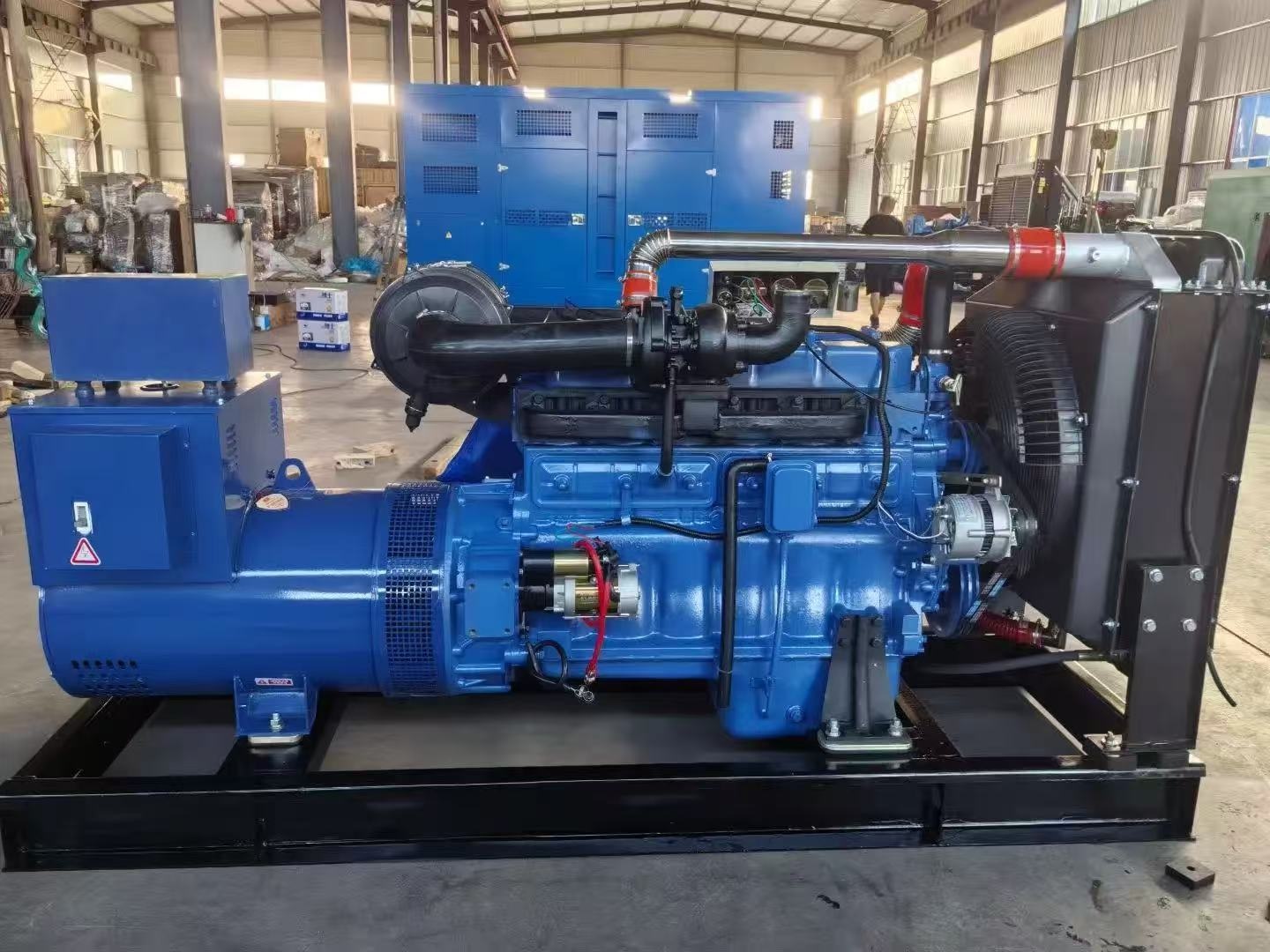
Generator won't start is a frequent problem for many users. Whether it's a home backup generator or an industrial unit, starting failure can cause inconvenience and financial loss. This article provides a systematic method to find the root cause.
Note: Before performing any checks or repairs, ensure the generator is off and cooled down, and follow all safety procedures.
Step 1: Check the Fuel System
About 70% of starting problems are related to the fuel system.
- Check fuel level: Is the tank empty or low?
- Check fuel quality: Is the fuel degraded? Diesel should be clear; gasoline should not have gum.
- Check fuel valve: Is it in the open position?
- Check fuel filter: Is it clogged? Replace if it hasn't been changed for a long time.
- Diesel engines: Check for air in the fuel lines (bleed the system).
Step 2: Check the Battery (Electric Start Models)
- Check voltage: Use a multimeter – 12V battery should read above 12.6V
- Check terminals: Are connections tight? Any corrosion?
- Check electrolyte: Level normal? (lead-acid batteries)
- Try charging: If voltage is low, charge before attempting to start
Step 3: Check the Spark Plug (Gasoline Generators)
- Remove spark plug: Check for carbon deposits, oil fouling, or wear
- Check gap: Use a feeler gauge – should be 0.7–0.8mm
- Test spark: Ground the plug, pull the starter rope and look for a blue spark
- Replace if needed: If the electrode is worn or heavily fouled, install a new plug
Step 4: Check the Air Filter
- Inspect the element: Is it blocked with dust or debris?
- Clean or replace: Foam filters can be washed with warm water and mild detergent; paper filters should be replaced if dirty
Step 5: Check Compression Pressure
- Use a compression gauge: Remove spark plug or injector, install gauge, and crank the engine
- Normal range: Gasoline 6–8 kg/cm², Diesel 20–30 kg/cm²
- If low: Possible worn piston rings, leaking valves, or head gasket failure
Step 6: Check Safety Protection Devices
- Oil protection: Some generators automatically shut down if oil pressure is low
- Check oil level: Is it within the normal range?
- Overload protection: Check if the circuit breaker has tripped
- GFCI protection: Some models have ground-fault protection
Step 7: Check the Starter Motor
- Listen: Any clicking sound when starting? Could be starter relay or solenoid problem
- Check connections: Are the power cables to the starter securely attached?
- Check starter brushes: Worn brushes need replacing
Quick Troubleshooting Reference Table
| Fault Symptom | Possible Cause | Check Step |
|---|---|---|
| Starter motor doesn't turn | Dead battery / corroded terminals | Step 2 |
| Starter turns but no fire | Fuel issue / spark plug | Step 1 + 3 |
| Starts then immediately dies | Oil protection / fuel shortage | Step 1 + 6 |
| Hard to start (cold) | Low compression / air filter | Step 4 + 5 |
| Unusual noise when starting | Starter motor fault | Step 7 |
Safe Troubleshooting Order
Start with simple checks—fuel, battery condition, emergency-stop state, switches, connections, and visible leaks—before moving to control, fuel-system, or engine diagnostics. Follow the manufacturer manual and isolate the machine before servicing moving or electrical components.
What to Confirm Before Ordering
- List continuous loads and identify motors, pumps, compressors, welders, or other equipment with high starting current.
- Confirm rated and standby/maximum output figures and keep an appropriate operating margin instead of running continuously at the limit.
- Specify voltage, frequency, single-phase or three-phase output, and any required automatic transfer or remote-start functions.
- Consider fuel availability, expected daily runtime, tank size, refueling access, ambient temperature, altitude, and ventilation.
- For mobile or residential use, check enclosure, noise, wheel/transport requirements, weather protection, and safe exhaust routing.
For a quotation request: For an industrial quotation, provide the load list, target voltage/frequency, expected runtime, application, destination country, and required quantity. Those details make it easier to compare generator configurations on a like-for-like basis.
Need help matching equipment to a specific application? Provide the operating conditions, required quantity, destination, and key technical requirements when requesting a quotation.
❓ Frequently Asked Questions
A: If air has entered the fuel system (e.g., after running out of fuel), you need to bleed the system. Open the bleed screw on the fuel filter and pump fuel until air is expelled.
A: Voltage may be normal but current insufficient. Check the battery's cold cranking amps (CCA) or use a battery tester to evaluate its health.
A: Every 250–500 hours or every 6 months, including oil change, oil filter, air filter, and fuel filter replacement.
A: Contact a professional service. GTFI offers 24/7 technical support and an extensive service network.
💬 Still can't solve the problem?
Contact Our Technical Support →