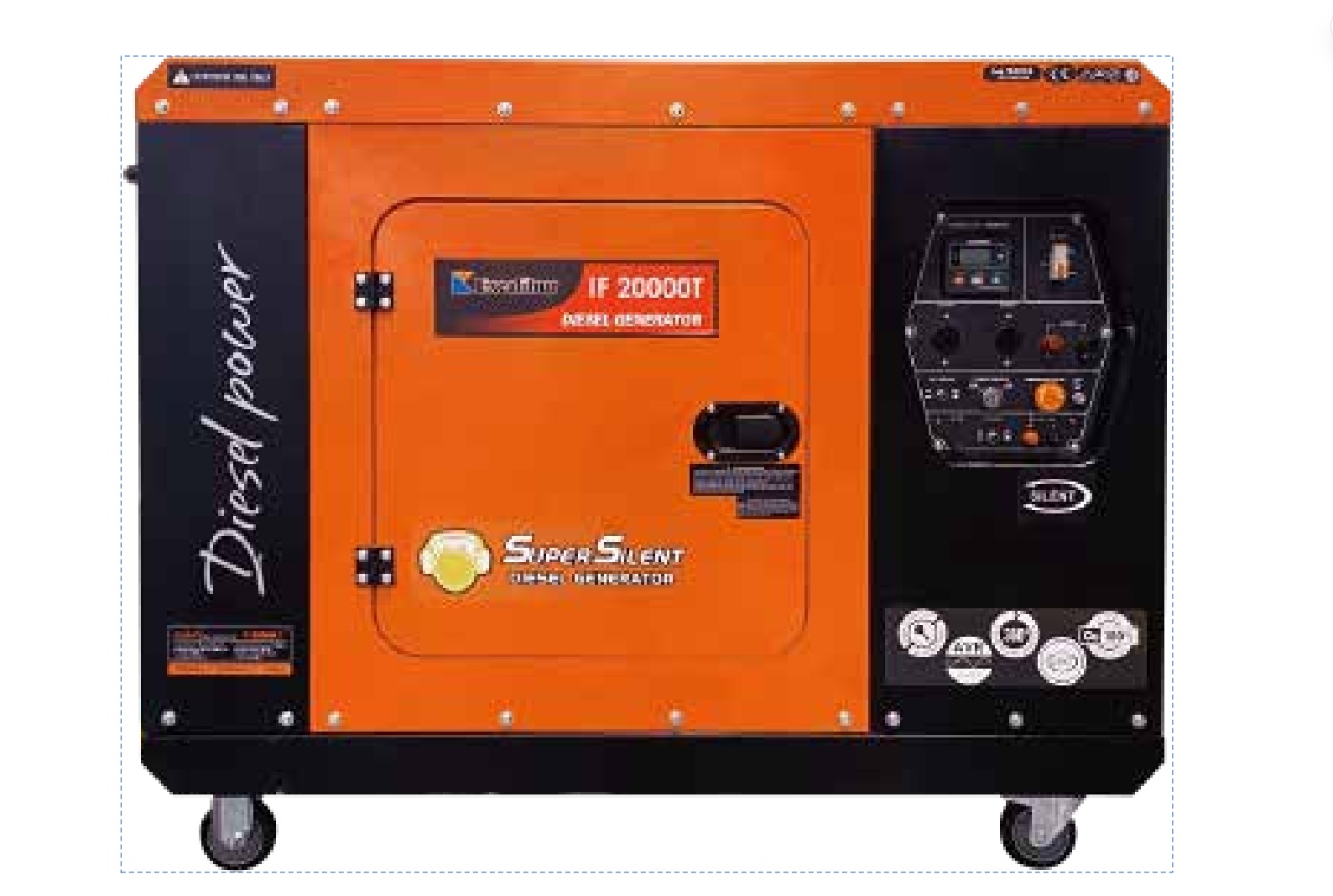
The controller is the brain of your generator. It regulates voltage, monitors performance, and protects the generator from damage. Choosing the right controller ensures reliable operation and peace of mind.
1. What Does a Generator Controller Do?
- Voltage regulation: Maintains stable output voltage within ±1-2%
- Frequency control: Keeps frequency at 50Hz or 60Hz
- Start/stop automation: Automatic start during power outages and automatic shutdown when power returns
- Protection: Shuts down the generator in case of low oil pressure, high temperature, or overload
- Monitoring: Displays operating parameters (voltage, current, frequency, hours, etc.)
2. Types of Generator Controllers
| Type | Features | Best For |
|---|---|---|
| Basic AVR | Voltage regulation only, manual start | Small portable generators |
| ATS Controller | Automatic start + transfer switch | Home and business standby generators |
| Digital Panel | Display, protection, remote start | Mid-size industrial generators |
| Smart Controller | Cloud monitoring, parallel operation, diagnostics | Large industrial and critical backup |
3. Key Features to Consider
- Display type: LCD displays provide more information than LED indicators
- Protection features: Low oil, high temperature, overload, over/under voltage
- Communication: RS232, RS485, Modbus for remote monitoring
- Parallel capability: Allows multiple generators to run together
- Ease of use: Intuitive interface and clear fault codes
Practical Selection Checklist
Before requesting a quotation, define the actual electrical load and the operating environment rather than selecting a generator only by its headline kW rating. The best choice balances starting current, continuous load, fuel type, runtime, noise, mobility, service access, and local power requirements.
What to Confirm Before Ordering
- List continuous loads and identify motors, pumps, compressors, welders, or other equipment with high starting current.
- Confirm rated and standby/maximum output figures and keep an appropriate operating margin instead of running continuously at the limit.
- Specify voltage, frequency, single-phase or three-phase output, and any required automatic transfer or remote-start functions.
- Consider fuel availability, expected daily runtime, tank size, refueling access, ambient temperature, altitude, and ventilation.
- For mobile or residential use, check enclosure, noise, wheel/transport requirements, weather protection, and safe exhaust routing.
For a quotation request: For an industrial quotation, provide the load list, target voltage/frequency, expected runtime, application, destination country, and required quantity. Those details make it easier to compare generator configurations on a like-for-like basis.
Need help matching equipment to a specific application? Provide the operating conditions, required quantity, destination, and key technical requirements when requesting a quotation.
❓ Frequently Asked Questions
A: AVR (Automatic Voltage Regulator) regulates voltage. ATS (Automatic Transfer Switch) automatically switches between utility and generator power.
A: Yes, GTFI generators can be equipped with IoT modules for remote monitoring via app or web.
A: Fault codes indicate specific issues. Refer to your generator manual or contact support for diagnosis.
💬 Need help choosing the right controller?
Talk to Our Experts →