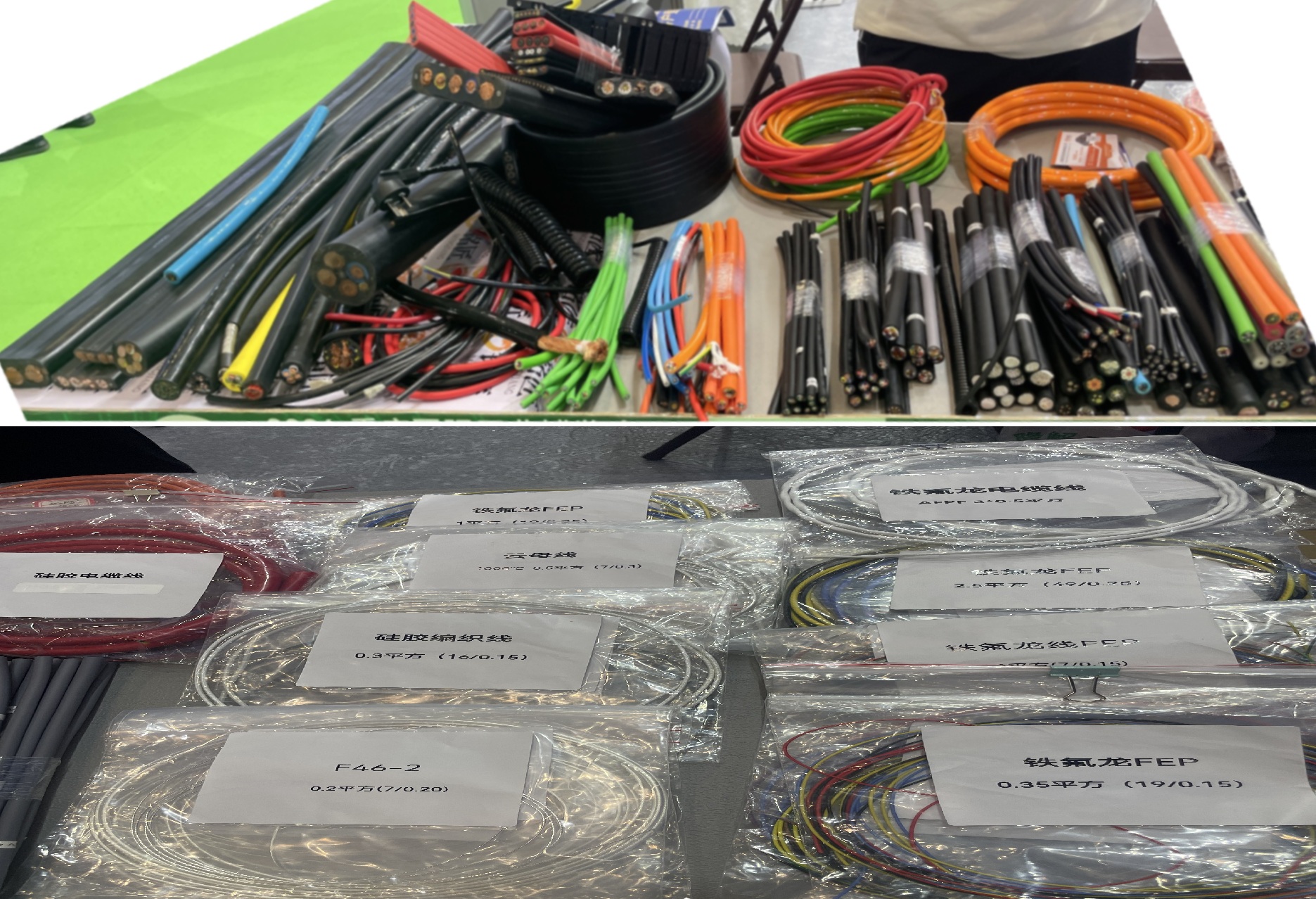
Temperature is one of the most critical factors in cable selection. Using a cable outside its rated temperature range can lead to insulation failure, short circuits, fires, or premature cable failure — all of which can cause costly downtime and safety hazards.
GTFI offers cables rated for temperatures from -60°C to 1200°C, with insulation materials including PVC, PUR, Silicone, PTFE, and Mica. This guide helps you select the right temperature rating for your application.
1. Why Temperature Rating Matters
- Safety: Exceeding temperature limits can cause insulation melting, fire, or electrical failure
- Longevity: Operating within rated temperature ensures full cable lifespan
- Performance: Temperature affects conductor resistance and signal integrity
- Compliance: Many industries require specific temperature-rated cables (e.g., UL, CE, RoHS)
2. Cable Temperature Rating by Insulation Material
| Material | Min Temperature | Max Temperature | Applications |
|---|---|---|---|
| PVC | -20°C | 80°C | General-purpose indoors, control cables |
| PUR (Polyurethane) | -40°C | 105°C | Drag chain, robotics, oil-resistant |
| Silicone | -60°C | 200°C | High-temperature, food processing, medical |
| PTFE (Teflon) | -200°C | 260°C | Chemical, aerospace, extreme environments |
| Mica | -60°C | 1200°C | Ultra-high-temperature, metallurgy, fire-resistant |
| Fluoroplastic | -200°C | 200°C | Chemical, high-temperature, semiconductor |
3. Detailed Material Comparison
PVC (Polyvinyl Chloride)
- Temp range: -20°C to 80°C
- Advantages: Cost-effective, good mechanical strength, widely available
- Limitations: Not suitable for extreme cold or high heat
- GTFI models: G610, GP609 (drag chain cables)
PUR (Polyurethane)
- Temp range: -40°C to 105°C
- Advantages: Excellent abrasion and oil resistance, high flex life
- Limitations: Higher cost than PVC
- GTFI models: F610, 888 (robot cables)
Silicone
- Temp range: -60°C to 200°C
- Advantages: Extremely flexible, excellent heat resistance, good for food contact
- Limitations: Lower mechanical strength than PVC or PUR
PTFE (Teflon)
- Temp range: -200°C to 260°C
- Advantages: Exceptional chemical resistance, very wide temperature range
- Limitations: Expensive, difficult to process
- GTFI models: GWF200 (fluoroplastic high-temp)
Mica
- Temp range: -60°C to 1200°C
- Advantages: Extreme heat resistance, fire-resistant, ideal for metallurgy
- Limitations: Rigid, specialist application only
- GTFI models: GWX500 (ultra-high-temperature)
4. How to Choose the Right Temperature Rating
Step 1: Identify Ambient Temperature
- Indoor controlled environment: PVC (80°C) is usually sufficient
- Outdoor or industrial: PUR (105°C) or Silicone (200°C) for higher temperatures
- Extreme heat (metallurgy, glass, foundry): Mica (1200°C) required
- Extreme cold (refrigeration, arctic): PTFE (-200°C) or Silicone (-60°C)
Step 2: Consider Heat Generation
- High current cables generate their own heat — derating may be required
- For high-power applications, choose cables with higher temperature ratings
Step 3: Check Application Standards
- Some industries mandate specific temperature ratings (e.g., UL for North America, CE for Europe)
Practical Selection Checklist
Industrial cable selection depends on electrical load and mechanical movement as much as conductor size. Temperature, flexing frequency, bend radius, drag-chain travel, chemical exposure, shielding, and installation method can determine service life.
What to Confirm Before Ordering
- Specify voltage, current, conductor count, conductor size, insulation type, and the applicable installation standard.
- For moving cables, define travel length, cycle frequency, minimum bend radius, speed, acceleration, and torsion requirements.
- Check operating temperature, oil or chemical exposure, water, abrasion, UV exposure, and flame requirements.
- Decide whether shielding, twisted pairs, grounding conductors, or special connectors are needed for signal and EMC performance.
- Confirm outer diameter, termination method, available replacement length, and installation space before ordering.
For a quotation request: For quotation requests, provide the electrical specification, movement pattern, environment, required length, connector details, destination country, and quantity. These details are more useful than selecting a cable only by conductor count.
Need help matching equipment to a specific application? Provide the operating conditions, required quantity, destination, and key technical requirements when requesting a quotation.
❓ Frequently Asked Questions
A: Insulation can soften, melt, or catch fire. Electrical performance degrades, and the cable may fail prematurely, creating a safety hazard.
A: Not necessarily. Higher-rated cables are more expensive and may have other trade-offs (e.g., less flexibility). Choose the rating that matches your actual operating environment.
A: Mica insulation can withstand up to 1200°C, making it suitable for extreme applications like foundries, glass manufacturing, and fire-resistant circuits.
A: PTFE cables can operate at temperatures as low as -200°C, suitable for cryogenic and arctic applications.
💬 Need help choosing the right cable temperature rating?
Talk to Our Experts →