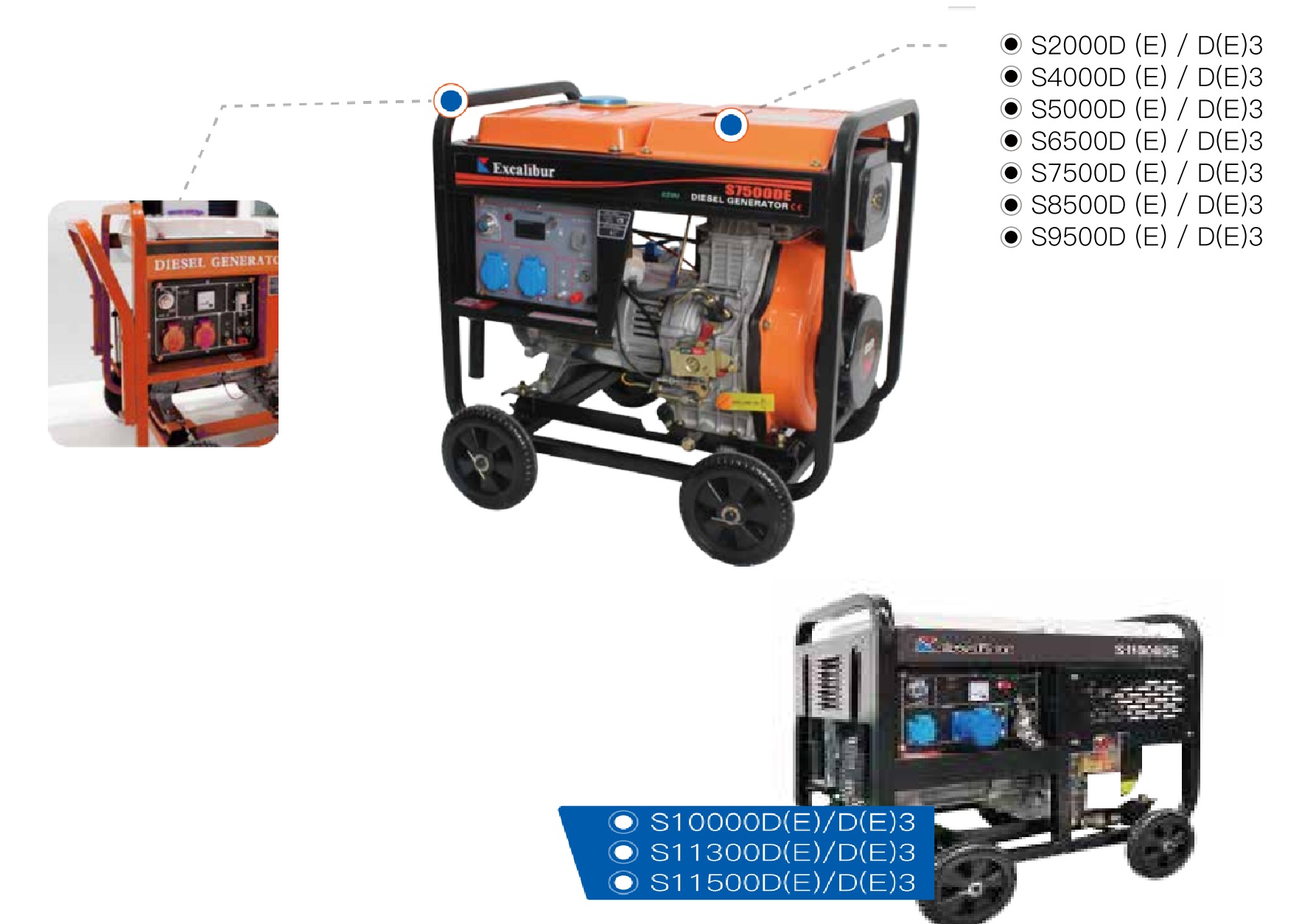
Lubricants are the "lifeblood" of industrial equipment. Choosing the right lubricant reduces friction, prevents wear, dissipates heat, and protects against corrosion. It is one of the most important tasks in equipment maintenance. Incorrect lubricant selection can lead to equipment failure, shortened lifespan, or even complete breakdown.
This comprehensive guide covers lubricant selection for all types of industrial equipment — generators, excavators, motors, pumps, valves, and more.
1. Lubricant Types and Applications
| Type | Primary Use | Applicable Equipment |
|---|---|---|
| Engine Oil | Lubricates internal engine moving parts | Generators, excavators, vehicles |
| Hydraulic Oil | Transmits hydraulic power, lubricates hydraulic systems | Excavators, lifts, hydraulic pumps |
| Gear Oil | Lubricates gearboxes, reducers, differentials | Transmissions, drive axles, reducers |
| Grease | Lubricates bearings, hinges, sliding components | Bearings, universal joints, pins |
2. Engine Oil Selection Guide
- Viscosity (SAE Grade): 10W-30 (general), 15W-40 (diesel engines), 5W-30 (cold environments)
- API Grade: CI-4 (diesel), CF (older diesel), SN (gasoline)
- Change Interval: Diesel 250-500 hours, Gasoline 50-100 hours
3. Hydraulic Oil Selection Guide
- ISO Viscosity Grade: VG 32 (cold), VG 46 (general), VG 68 (high temperature)
- Viscosity Index (VI): Higher values mean better viscosity stability across temperature changes
- Change Interval: 1,000-2,000 hours or annually
4. Gear Oil Selection Guide
- SAE Grade: 80W-90 (general), 85W-140 (heavy-duty)
- GL Grade: GL-4 (medium gears), GL-5 (heavy-duty gears)
- Change Interval: 1,000-2,000 hours or annually
5. Grease Selection Guide
- NLGI Grade: #0 (fluid), #1 (soft), #2 (general), #3 (hard)
- Thickener Type: Lithium (general), Lithium Complex (high temp), Calcium (water resistance)
- Application Interval: 50-100 hours or daily/weekly
6. Quick Reference Table
| Equipment | Recommended Oil | Recommended Hydraulic | Recommended Gear | Recommended Grease |
|---|---|---|---|---|
| Diesel Generator | 15W-40 CI-4 | ISO VG 46 | 85W-140 GL-5 | Lithium #2 |
| Excavator | 15W-40 CI-4 | ISO VG 46 | 85W-140 GL-5 | Lithium Complex #2 |
| Industrial Motor | 10W-30 SN | — | — | Lithium #2 |
| Water Pump | 10W-30 SN | — | — | Lithium #2 |
Maintenance Planning
Preventive maintenance is easier to manage when inspections, lubrication, filters, fasteners, wear parts, fault records, and service intervals are tracked by machine and operating hours.
What to Confirm Before Ordering
- Prepare a clear specification covering capacity, dimensions, power supply, materials, standards, quantity, and intended application.
- Ask suppliers to identify the exact model, included accessories, optional items, packaging, and spare parts rather than quoting a generic product name.
- Compare lead time, payment terms, inspection options, warranty scope, documentation, and export packaging alongside price.
- Confirm destination-country requirements such as voltage, plugs, certifications, labeling, customs documentation, and applicable standards.
- Keep drawings, datasheets, photos, test reports, packing lists, and agreed specifications together as part of the purchase record.
For a quotation request: For a B2B RFQ, send the specification, quantity, destination port or country, required delivery window, and any certification or packaging requirements. Clear inputs reduce quotation revisions and help suppliers compete on comparable terms.
Need help matching equipment to a specific application? Provide the operating conditions, required quantity, destination, and key technical requirements when requesting a quotation.
❓ Frequently Asked Questions
A: Mixing different brands is not recommended. Different additive packages may react chemically, compromising lubrication performance.
A: Check color (darkening), viscosity (thickening or thinning), and smell (burnt odor). The most accurate method is oil analysis.
A: Too hard (NLGI #3) doesn't flow into friction surfaces. Too soft (NLGI #0) leaks out easily. Choosing the correct NLGI grade is essential.
A: Yes. Lubricants oxidize and degrade over time, losing their protective properties. Always replace lubricant before restarting equipment that has been stored for a long period.
💬 Need help selecting the right lubricant?
Talk to Our Experts →