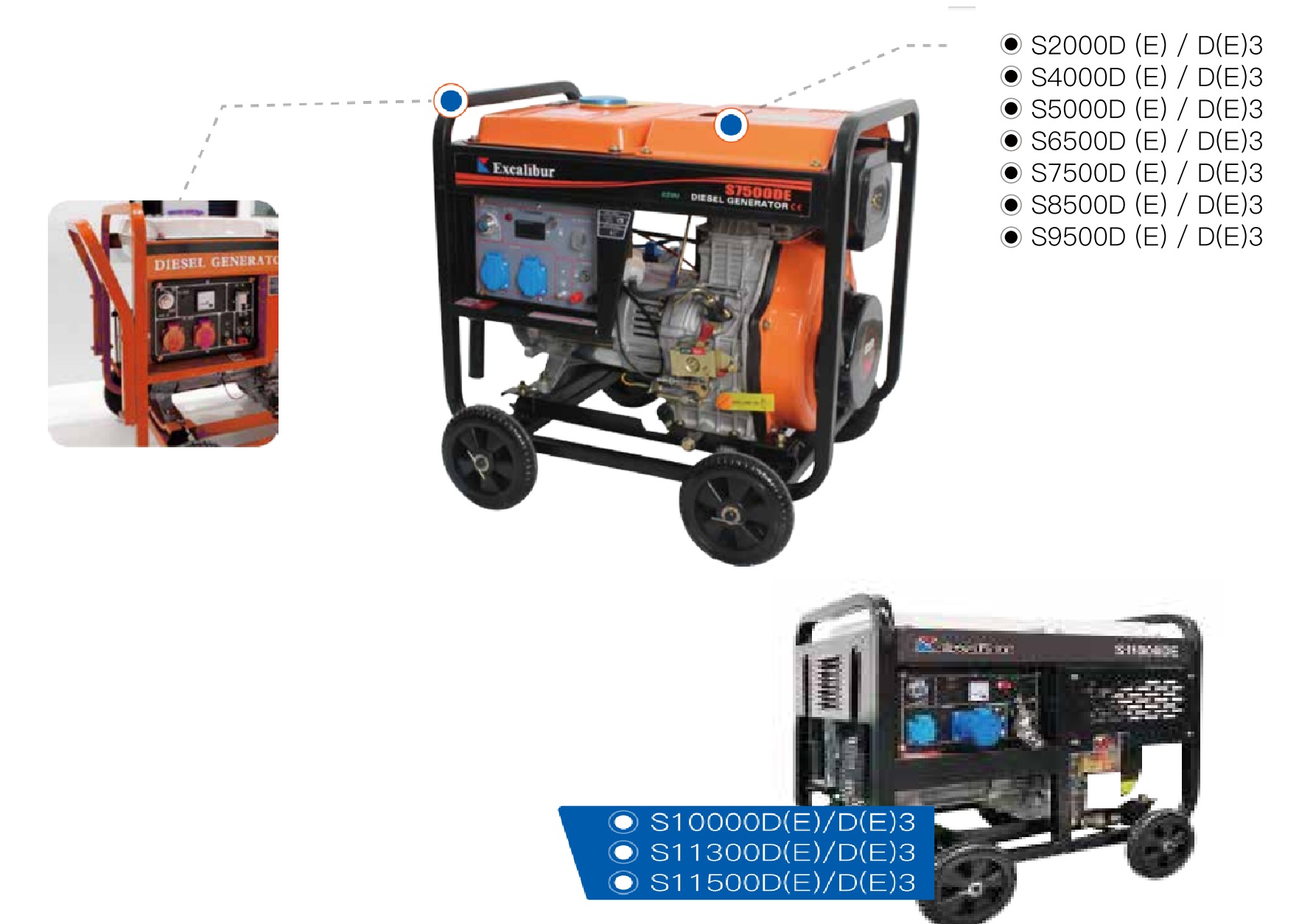
Industrial equipment is a significant investment. Proper maintenance is essential to protect that investment, ensure operational reliability, and maximize equipment lifespan. A well-maintained machine can last 2-3 times longer than a neglected one.
This comprehensive guide covers the maintenance practices for all types of industrial equipment — from generators and motors to excavators, sprayers, and welding machines.
1. The Importance of Preventive Maintenance
- Reduced downtime: Prevents unexpected breakdowns
- Extended lifespan: Well-maintained equipment lasts 2-3× longer
- Improved safety: Prevents accidents caused by equipment failure
- Lower costs: Regular maintenance is cheaper than major repairs
- Better performance: Equipment operates at peak efficiency
2. Daily Maintenance Checklist
- Visual inspection: Check for leaks, damage, loose parts
- Fluid levels: Engine oil, hydraulic fluid, coolant, fuel
- Filters: Air filter, oil filter, fuel filter — check and clean
- Belts and hoses: Check for wear, cracks, or tension issues
- Electrical systems: Battery terminals, wiring, connections
- Safety devices: Emergency stops, warning lights, guards
- Cleanliness: Remove dirt, debris, and oil buildup
3. Weekly Maintenance Checklist
- Lubrication: Grease all fittings as per manufacturer schedule
- Hydraulic system: Check for leaks, clean filters, inspect hoses
- Cooling system: Check coolant level and condition
- Fuel system: Drain water separator, check fuel lines
- Fasteners: Torque critical bolts (check for loosening)
- Instruments: Test gauges, sensors, and indicators
4. Monthly Maintenance Checklist
- Oil change: Replace engine oil and filter (follow manufacturer interval)
- Filter replacement: Air, fuel, and hydraulic filters
- Battery maintenance: Check terminals, electrolyte level, and charge
- Moving parts: Inspect for wear, adjust or replace as needed
- Alignment: Check and adjust belt and chain tension
- Performance test: Run equipment under load to check performance
5. Lubrication Guide
| Component | Lubricant Type | Interval |
|---|---|---|
| Engine oil | SAE 10W-30 / 15W-40 (diesel) | 250-500 hours |
| Hydraulic oil | ISO VG 32 / 46 / 68 | 1,000-2,000 hours |
| Gear oil | SAE 80W-90 / 85W-140 | 1,000-2,000 hours |
| Grease | Lithium-based #2 / #3 | 50-100 hours |
| Coolant | Ethylene glycol mix (50/50) | 1-2 years |
6. Common Troubleshooting Tips
- Engine won't start: Check fuel, battery, starter, and air filter
- Overheating: Check coolant level, radiator, thermostat, and fan
- Loss of power: Check air filter, fuel filter, and turbocharger
- Hydraulic issues: Check fluid level, filters, and hoses for leaks
- Noise/vibration: Check for loose parts, bearings, and alignment
7. Record Keeping
- Maintenance log: Record all maintenance activities
- Parts inventory: Track consumable parts and order before stock runs out
- Service intervals: Follow manufacturer recommended schedules
- Warranty requirements: Maintain records for warranty claims
Lubricant Matching
Use the equipment manual and component requirements as the primary reference. Viscosity, temperature range, load, contamination risk, additive compatibility, and change interval should all be considered before switching lubricant types.
What to Confirm Before Ordering
- Prepare a clear specification covering capacity, dimensions, power supply, materials, standards, quantity, and intended application.
- Ask suppliers to identify the exact model, included accessories, optional items, packaging, and spare parts rather than quoting a generic product name.
- Compare lead time, payment terms, inspection options, warranty scope, documentation, and export packaging alongside price.
- Confirm destination-country requirements such as voltage, plugs, certifications, labeling, customs documentation, and applicable standards.
- Keep drawings, datasheets, photos, test reports, packing lists, and agreed specifications together as part of the purchase record.
For a quotation request: For a B2B RFQ, send the specification, quantity, destination port or country, required delivery window, and any certification or packaging requirements. Clear inputs reduce quotation revisions and help suppliers compete on comparable terms.
Need help matching equipment to a specific application? Provide the operating conditions, required quantity, destination, and key technical requirements when requesting a quotation.
❓ Frequently Asked Questions
A: For diesel engines, change every 250-500 hours or as recommended by the manufacturer. For gasoline engines, change every 50-100 hours.
A: Skipping maintenance leads to reduced performance, increased fuel consumption, unexpected breakdowns, and significantly shorter equipment life.
A: Always use the lubricant type and viscosity recommended by the manufacturer. Using the wrong lubricant can cause damage and void your warranty.
A: Most filters have a recommended replacement interval. Additionally, visible clogging, reduced performance, or warning indicators signal the need for replacement.
💬 Need maintenance advice for your specific equipment?
Talk to Our Technical Team →